Five Questions Every Ferry Port Should Ask Before Digitalising Operations
Before choosing systems or modules, start with the daily operation: where time is lost, where information breaks, and where people need a clearer shared view.
Digitalising ferry terminal operations does not have to start with a large transformation programme.
In many ports, the best starting point is much simpler: understand where daily operations are already under pressure. Where do people lose time? Where does information become fragmented? Where are decisions made too late? Where does one small issue begin to affect the whole turnaround?
Before investing in new systems, ferry and ro-pax ports should start with the operation itself.
Here are five questions worth asking.
1. Where do we lose the most time today?
Every ferry terminal has its own pressure points.
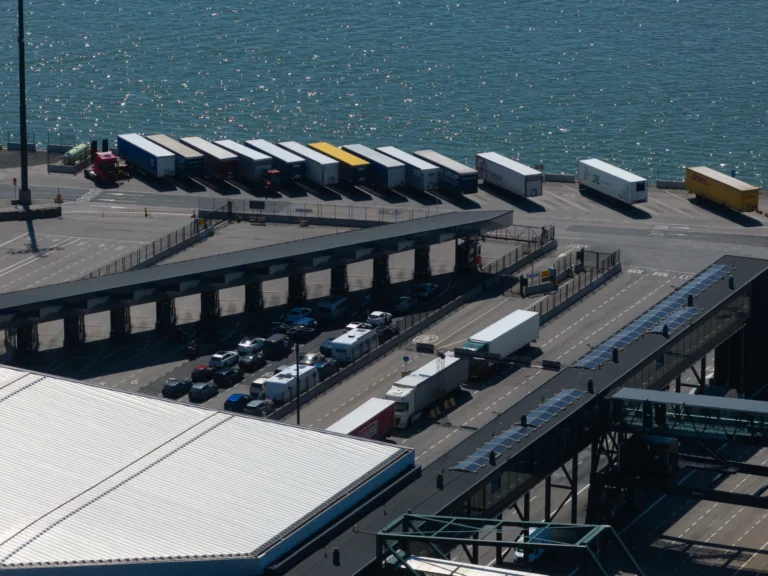
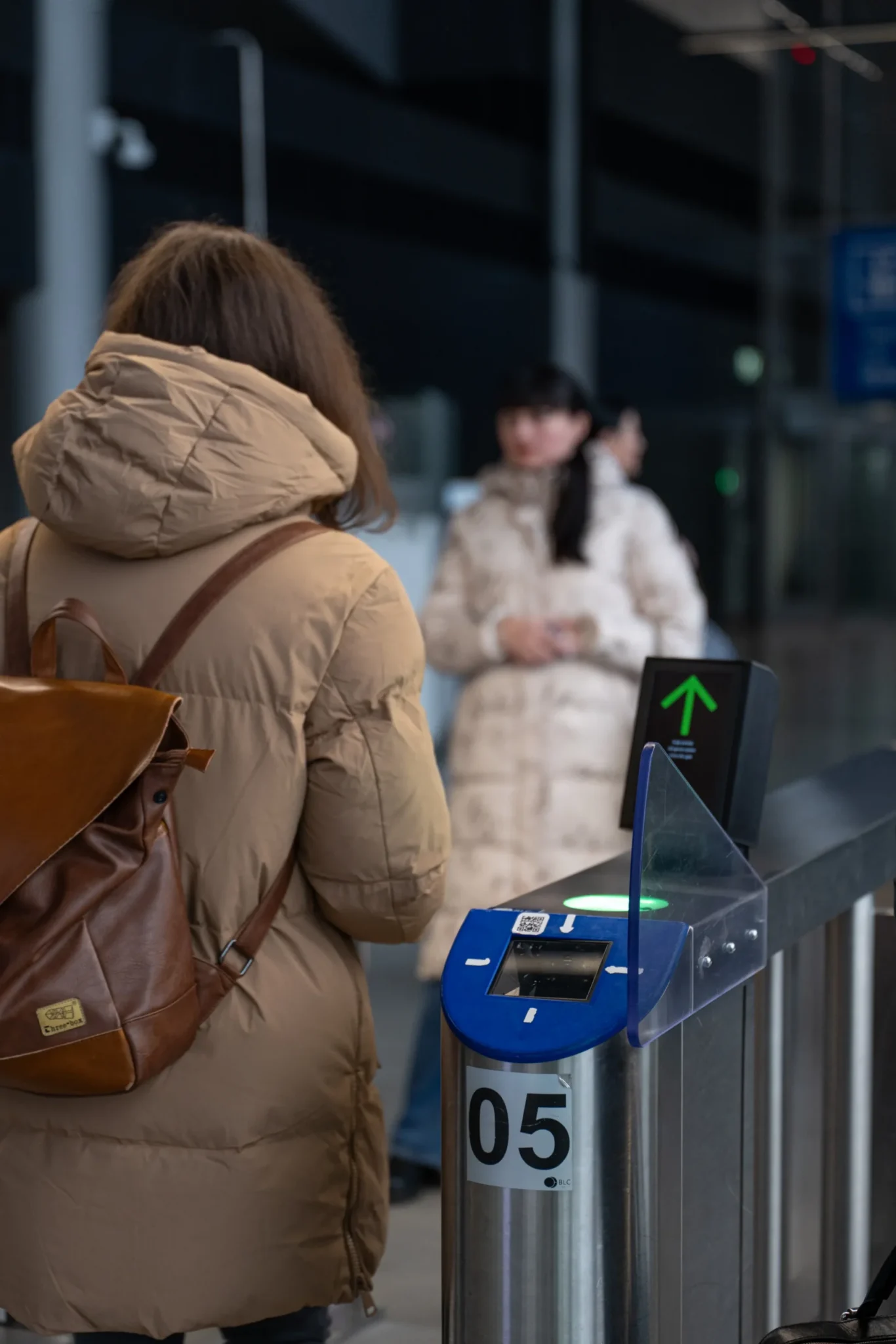
For some, the first bottleneck appears at the gate. For others, it is vehicle staging, passenger guidance, cargo flow, manual permissions, access control, communication between teams or the final minutes before departure.
The most useful digitalisation projects often begin where the operational pain is clearest. If a port can identify where time is lost repeatedly, it can also identify where better visibility and control would bring the most immediate value.
2. Where is information fragmented?
In many terminals, important operational information is spread across several systems, spreadsheets, phone calls, radio messages and individual people.
This works until the situation changes quickly.
A shared situational view becomes valuable when several teams need the same information at the same time. If port staff, ferry operators, traffic control and service partners all depend on the same flow, they should not have to build their own separate picture of what is happening.
The question is not only whether the port has data.
The question is whether the data supports a shared operational truth.
3. Who needs to see the same situation?
Digitalisation is not only a technical question. It is also an organisational one.
Before choosing a system, ports should ask who needs to make decisions based on the same information. Is it the port authority, traffic control, ferry operator, gate staff, security, cargo handling, terminal staff or a combination of these?
The more actors there are, the more important it becomes to define what shared situational awareness actually means in daily work.
If everyone has a different view of the same operation, coordination becomes harder.
4. Where are decisions made too late?
A port may already know what happened yesterday. It may even know what is happening right now.
But the more useful question is whether teams can act early enough to change the outcome.
If a vehicle flow is falling behind, if one lane is overloaded or if passengers are arriving later than expected, the system should help people notice the risk while there is still time to respond.
This is where digitalisation moves from reporting to control.
5. What can we improve first without changing everything at once?
Ports do not need to change everything at the same time.
A practical digitalisation roadmap can start from one operational bottleneck and expand from there. The first step might be gate access, vehicle measurement, passenger guidance, lane control, displays, shared dashboards or integration with operator systems.
The important thing is that each step builds toward the same operating model instead of creating another separate tool.
For ferry and ro-pax ports, this is often the most realistic way forward: start where the need is clear, prove the value, and expand step by step.
Start with the operation
The best digitalisation projects are not driven by technology alone.
They are driven by a clear understanding of how the port operates, where pressure builds up and what people need in order to make better decisions.
For Weasel Port Solutions, this is the starting point: helping ports move from fragmented information toward shared situational awareness — and from there toward more controllable daily operations.
“The best starting point is usually not the biggest system. It is the clearest bottleneck.”